Leopard After Dark
Caleb Ryan
| 09-03-2026
 · Animal Team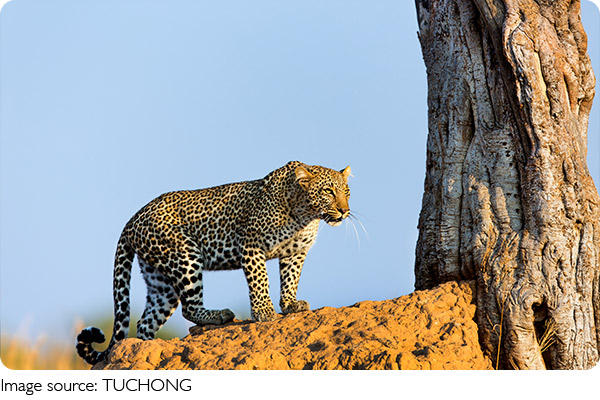
A male leopard moves through the wild under the night sky, calm and alert. Soft moonlight falls across his golden coat, and his shadow stretches over the ground as it blends with trees, grass, and stone.
In this quiet setting, we notice his focus, balance, and natural authority. The scene feels still, yet full of energy, as he continues across his territory with measured steps.
At night, the leopard becomes especially active. While many creatures settle into rest, he moves with confidence through forests, open grasslands, and rocky hills. Darkness gives him cover, and his sharp senses help him stay aware of the environment around him. He listens closely, watches every movement, and follows scent trails carried through the air. Each step is careful, controlled, and nearly silent.
His body is built for agility and endurance. Males can be large and muscular, with body size varying across regions. Their long tails help them stay balanced during quick turns, climbing, and movement across uneven ground, while their powerful legs support smooth and efficient motion. Their coats range from pale yellow to deep gold, marked with dark rosette patterns that help them blend into shadowed surroundings. These markings are both striking and practical, giving the leopard natural camouflage in dense vegetation and rocky terrain.
We can also see how well adapted he is to moving through the landscape. Each paw is placed with precision, allowing him to travel quietly over leaves, soil, and stone. His flexible frame helps him pass through dense cover and climb with ease. Leopards are also known for resting in elevated places, where they can remain aware of their surroundings while conserving energy. This mix of strength, control, and awareness is one of the reasons the species remains so fascinating to observe.
The leopard usually lives alone and maintains a wide territory. Scent marks and scratches on trees or rocks help signal presence and reduce unnecessary conflict with other leopards. Females raise cubs on their own, guiding them through early development until they can survive independently. This solitary way of life supports survival in environments where space and food sources may be spread out.
Even so, life in the wild is increasingly challenging. Habitat loss, expanding roads, and reduced natural corridors can limit movement and make survival harder. In many regions, declining prey availability and conflict with people add further pressure. The leopard is currently listed as Vulnerable on the IUCN Red List, with an overall decreasing population trend, which makes habitat protection and long-term conservation especially important.
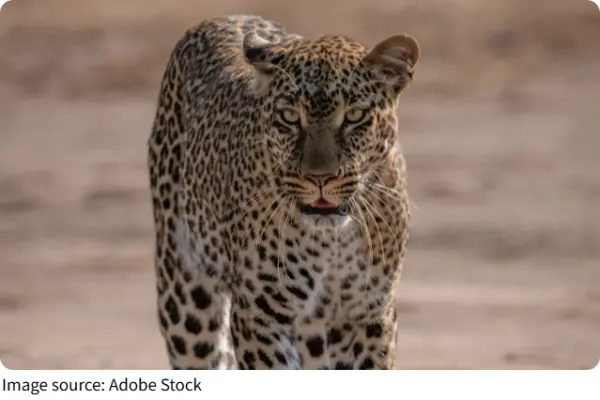
This night scene reminds us why the leopard stands out as one of nature’s most impressive animals. His quiet movement, sharp awareness, and steady presence reflect both resilience and grace. Protecting wild spaces helps ensure that this remarkable animal can continue to move freely through its natural world for generations to come.