Soft Toy Companion

Pardeep Singh
| 14-03-2026
 · Lifestyle Team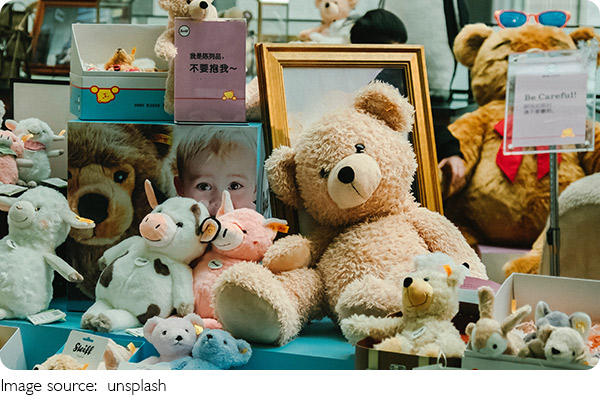
Many childhood memories begin with a simple, soft companion. In countless homes around the world, a plush toy quietly becomes one of the first friends a child treasures.
These gentle toys are far more than decorations in a bedroom. For many children, they are trusted partners during playtime, bedtime, and even quiet moments of comfort.
Plush toys are known for their soft texture and friendly appearance. These features naturally attract children and create a sense of warmth and comfort. Whether we are watching kids play in the sunshine during the day or settle into bed at night, a plush toy often sits beside them like a loyal friend. This constant presence provides emotional support and a gentle sense of security.
Today, the toy market offers endless choices, yet plush toys remain one of the most loved types. From toddlers who are just learning to speak to young people in their twenties who still keep a favorite toy on their bed, many people feel a special connection with these soft companions. Their popularity is not just coincidence. Their comforting texture and friendly design make them easy to love.
Comfort and Emotional Security
For children, feeling safe and relaxed is an important part of emotional development. Plush toys help create that feeling. When children hug something soft, it can calm their mood and make them feel protected. This sense of security helps them handle new situations and daily challenges with more confidence.
Researchers in child psychology have also found that touching soft objects can bring a feeling of calm and comfort. Children who regularly interact with plush toys may find it easier to relax and express their feelings. Over time, these positive experiences become warm childhood memories that many people remember even when they grow older.
In a fast-moving world where schedules can be busy and competitive, simple happiness can sometimes be overlooked. Yet a plush toy reminds us that joy can come from small and gentle moments. A simple hug, a playful conversation with a toy, or a quiet moment before sleep can bring surprising warmth and happiness.
Learning Through Play and Conversation
Another interesting benefit of plush toys appears during playtime. Many children talk to their toys as if they were real friends. At first glance, this might look like simple imagination. However, it actually helps children practice important communication skills.
When children speak to their toys, they organize their thoughts and express feelings in words. This process improves language ability in a natural and relaxed way. Without pressure or correction, they practice storytelling, asking questions, and explaining ideas.
At the same time, this type of play encourages imagination. A plush toy may become a classmate, a travel partner, or a listener for daily stories. Through these creative scenarios, children explore emotions and situations they experience in real life. The toy becomes a safe space where they can express themselves freely.
Maintaining a Happy Mood
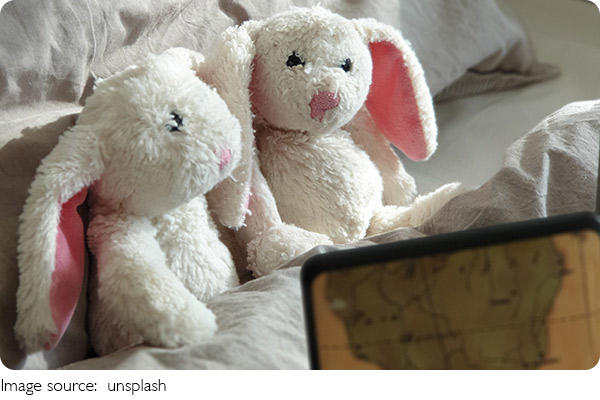
Interaction with plush toys can also support emotional balance. When children cuddle, play, or simply keep their favorite toy nearby, they often feel calmer and more cheerful. This positive emotional experience helps them develop a more optimistic outlook.
Spending time with toys allows children to release emotions after a long day of school or activities. They may share small worries or exciting stories with their toy companion. Through this process, they learn how to handle feelings and relax their minds.
Even simple activities such as arranging toys, inventing small adventures, or pretending to care for them can bring joy. These playful moments help children maintain a positive mood and strengthen their emotional resilience.
Learning Responsibility and Care
Interestingly, plush toys can also teach responsibility. Many children treat their favorite toy like a younger sibling or a small pet. They might dress the toy, arrange a sleeping place, or pretend to prepare meals.
Although these actions are playful, they mirror real caring behavior. By looking after a toy, children begin to understand the idea of responsibility. They learn that caring for someone—or something—requires attention and kindness.
These early experiences help children develop empathy and awareness of others’ needs. As they grow older, these lessons can influence how they interact with friends, classmates, and family members.
Developing Taste and Independence
Children may be young, but they already have their own sense of style and preference. When families choose plush toys with interesting designs, bright colors, or creative shapes, children are exposed to different forms of visual beauty.
Playing with well-designed toys can strengthen children’s appreciation for aesthetics. They begin to notice colors, shapes, and patterns that appeal to them. Over time, this develops their ability to make choices and express personal preferences.
At the same time, plush toys can gently encourage independence. In many families, children naturally depend heavily on their parents for comfort. A plush toy can become a small step toward self-soothing. When children hug their favorite toy, they may feel calm even when parents are not immediately nearby.
A Small Toy with a Big Role
As living standards improve, families often give children more attention and care than ever before. While this love is valuable, it is also important for children to learn independence. Plush toys can quietly support this process.
From emotional comfort to language practice, from imagination to responsibility, these soft companions offer surprising benefits. They are simple objects, yet they play meaningful roles in childhood development.
Dear Lykkers, perhaps many of us once had a favorite plush toy that stayed close during childhood. Those gentle memories remind us how powerful small comforts can be. Even today, the warmth of a soft toy can still bring a smile.
So next time we see a child hugging a plush toy tightly, we may realize that it is more than a toy. It is a friend, a listener, and sometimes even a tiny teacher guiding them through the early stages of life.
Unveiling the Significance of Soft Toys in a Child's Development
Video by Black Children’s Books & Videos ®