Plant Placement

Naveen Kumar
| 17-03-2026
 · Plant Team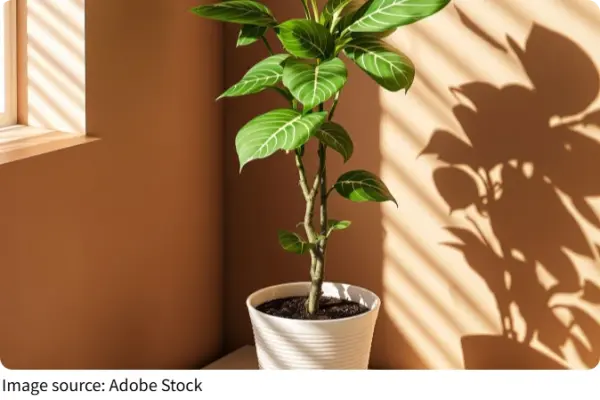
Adding houseplants to your home can instantly create a more vibrant and relaxing environment.
A well-placed plant can brighten a dull corner, soften hard interior lines, and bring a natural feeling into indoor spaces. However, deciding exactly where to place your plants is not always as simple as it seems.
Many people focus on decorative appeal when positioning houseplants, choosing spots that look attractive in a room. While aesthetics certainly matter, the health of your plants should always come first. Light, moisture, and airflow all play important roles in helping plants grow successfully indoors.
By understanding the basic needs of your plants and choosing the right locations for them, you can create a beautiful indoor garden that is both visually appealing and supportive of plant health.
Understanding Light and Growing Conditions
1. Pay attention to sunlight levels
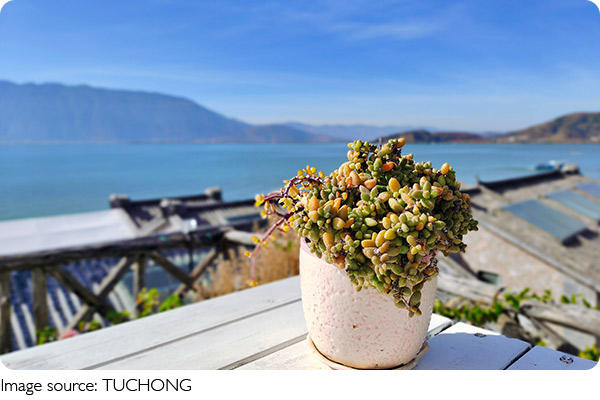
Light is the most important factor when choosing a location for houseplants. Every plant requires light, but the intensity varies widely depending on the species. Some plants, particularly many succulents and desert varieties, require strong direct sunlight to grow properly. Others prefer gentler lighting conditions and may struggle when exposed to intense sunlight for long periods.
2. Choose bright but indirect light when possible
Many common houseplants thrive in bright, indirect light. Windows that face east often provide ideal lighting because they deliver gentle morning sunlight without excessive heat. If a window receives stronger afternoon sunlight, you may need to move plants slightly away from the glass or soften the light with thin curtains. This helps protect delicate leaves from scorching while still providing enough energy for healthy growth.
3. Select plants suited for lower-light spaces
Some rooms receive very little natural sunlight, but that does not mean they cannot support plants. Certain species adapt well to dimmer conditions and can thrive in areas with limited light. However, it is important to remember that low light does not mean complete darkness. If a room is particularly dark, supplemental lighting such as grow lights can help maintain plant health.
Practical Placement and Interior Design
1. Use plants to enhance room layout
Placing plants along the edges of a room rather than in the center can make the space feel larger and more open. Shelves, windowsills, and quiet corners often provide excellent locations for greenery. By distributing plants around the room's perimeter, you create visual balance while allowing the plants to receive natural light.
2. Consider height and safety when hanging plants
Hanging plants can add a stylish touch to interior spaces, but their placement should be carefully planned. Make sure they are suspended high enough that people will not bump into them while walking through the room. Secure supports are also important to prevent accidents. Additionally, consider how you will water the plant and ensure that excess water can drain safely.
3. Experiment with creative displays
Indoor plants can be displayed in many imaginative ways. They may be placed on shelves, atop cabinets, or even on decorative ladders to add vertical interest. If plants are positioned at eye level, covering the soil surface with small stones or decorative pebbles can give containers a more polished appearance. Bathrooms can also be surprisingly good locations for certain plants because the warm and humid air often suits tropical species.
Choosing the right place for houseplants involves balancing practical growing conditions with interior design ideas. Plants require sufficient light, proper drainage, and suitable environmental conditions to remain healthy. At the same time, thoughtful placement can enhance the atmosphere and visual harmony of your home.
By considering both plant needs and room design, you can create an indoor environment where your houseplants thrive while adding beauty and natural energy to every corner of your living space.