Ghosts of the Peaks

Pankaj Singh
| 20-04-2026
 · Animal Team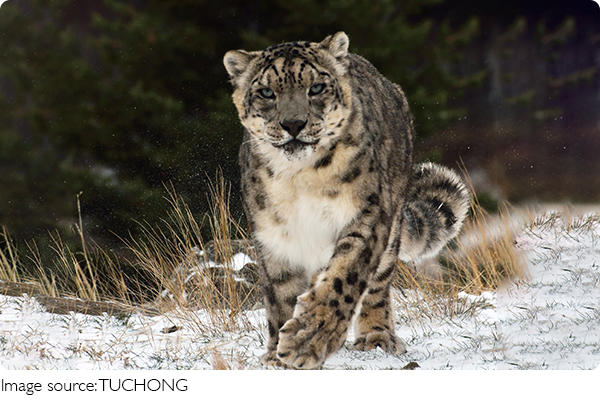
Have you ever performed a mental audit of the world's most elusive predators?
Known as the “ghosts of the mountains,” the snow leopard operates in a realm of high-altitude mystery that captivates the imagination.
These felines represent the pinnacle of biological engineering, possessing the strength and resilience to survive where oxygen is thin and the terrain is lethal. In this technical exploration, we will dive into the specialized hardware and behavioral protocols of the snow leopard, examining their habitat, diet, and the critical survival challenges they face in the modern era. Are you ready to discover why these magnificent creatures are considered the ultimate masters of the mountain matrix?
Introduction to Snow Leopards
The snow leopard, identified in scientific ledgers as Panthera uncia, is one of the most enigmatic big cats in existence. These felines are native to the high-altitude regions of Central and South Asia, perfectly calibrated for extreme environments. Their thick insulation and powerful locomotive limbs allow them to navigate steep, vertical landscapes with total precision.
Physical Characteristics
Snow leopards possess a high-spec physical profile designed for concealment and thermal regulation. Their smoky-gray fur is patterned with dark rosettes, providing optimal camouflage against rocky outcrops.
Technical Specifications of the Snow Leopard:
1. Mass Range: Typically between 60 to 120 pounds, with males exhibiting a larger frame than females.
2. Tail Hardware: A long, bushy tail used for high-velocity balance on ledges and as a thermal wrap during sleep.
3. Camouflage Protocol: Rosette patterning that breaks up their visual silhouette in mountain shadows.
Habitat and Range
These majestic units inhabit the most remote landscapes on the planet. Their operational range spans the mountain ranges of 12 nations, including the Himalayas and the Altai Mountains. They primarily occupy alpine and subalpine zones at elevations between 9,800 and 14,800 feet. The sheer difficulty of this terrain makes tracking and auditing their population a formidable scientific task.
Behavior and Lifestyle
Snow leopards are solitary units, utilizing secretive behavioral protocols to remain undetected. They are primarily crepuscular, meaning their peak activity occurs during the dawn and dusk windows. This timing allows them to optimize hunting success while avoiding the thermal stress of midday solar radiation.
Hunting and Diet
As carnivorous predators, snow leopards rely on a diet of wild sheep, goats, and smaller mammals such as marmots. They are renowned for their high-precision hunting skills, often neutralizing prey three times their own body mass. Their powerful hind legs allow for leaps of up to 50 feet in pursuit of a target. Following a successful operation, a single leopard can consume up to 20 pounds of meat to refuel its system.
Reproduction and Lifespan
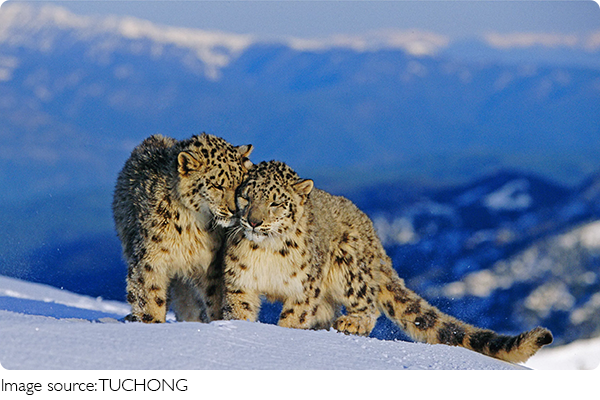
The snow leopard has a relatively low reproductive output, which is a significant factor in their conservation status. Following a gestation window of 90-100 days, a female typically produces two to three cubs. These young units remain under maternal guidance for up to two years to learn essential survival and hunting protocols. In the wild, their operational lifespan is approximately 12-15 years.
Conservation Status and Threats
Currently, the snow leopard is listed as vulnerable on the IUCN Red List. With an estimated population of only 4,000 to 6,500 individuals, their continued existence is under threat from several systemic factors.
Threats to Snow Leopards
Systemic Survival Challenges:
1. Habitat Fragmentation: Human encroachment into mountainous sectors leads to a reduction in available operational range.
2. Illegal Poaching: Specimens are targeted for their pelts and osseous structures, often used in traditional illicit markets.
3. Conflict Protocols: As human livestock grazing expands, leopards may target domestic animals, leading to retaliatory neutralizing by herders.
4. Climate Shifts: Rising temperatures alter the prey density and the physical makeup of their high-altitude habitats.
Conservation Efforts
Efforts to protect these mountain ghosts include anti-poaching squads and community-based initiatives to reduce livestock conflict. Organizations like the Snow Leopard Trust use high-tech camera traps and GPS tracking hardware to gather vital data for their protection strategies.
Fascinating Facts About Snow Leopards
Snow leopards are stealth specialists, utilizing padded paws to move silently across frozen terrain. Unlike other big cats, their vocalization hardware does not allow them to roar; instead, they communicate through growls and unique "chuffing" sounds. Their jumping capacity remains one of the highest in the feline world, capable of clearing 50-foot gaps in a single burst of energy.
Reflections on the Mountain Ghosts
The snow leopard is a masterwork of evolution, a creature that thrives on the edge of the impossible. Their elusive behavior and the harsh challenges they face remind us of the fragility of even the most powerful predators.
As you consider the survival of these "ghosts," does it change how you view the balance of our global ecosystems? Understanding these majestic felines is the first step in ensuring their mountain corridors remain occupied for generations to come. Are you ready to support the protocols that keep the snow leopard's shadow on the peaks? What do you think is the most impressive adaptation of this high-altitude survivor?