Avian Color Matrix

Raghu Yadav
| 20-04-2026
 · Animal Team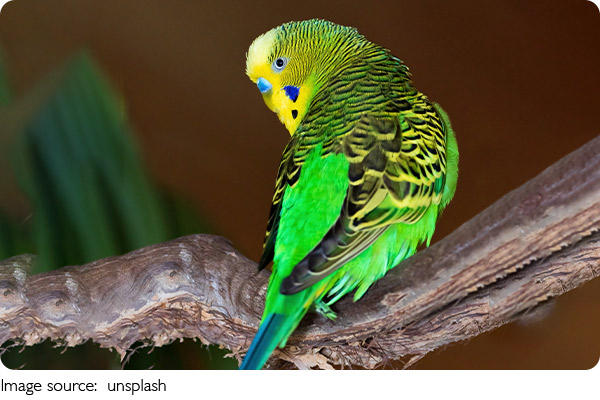
Have you ever looked into the sky and felt like nature accidentally dropped its entire paint palette?
While many animals rely on camouflage to disappear, certain avian specimens have evolved high-visibility plumage that commands immediate attention.
These birds aren't just colorful; they are biological masterpieces of light and pigment, serving as living proof of nature's extraordinary artistry. From the dense rainforests of South America to the open savannas of Africa, these species utilize their stunning visuals for communication, mating, and social signaling. Are you ready to audit the most visually spectacular specimens in the avian world and discover the secrets behind their glowing feathers?
The World of Colorful Birds
The diversity of avian color is not merely for aesthetics; it is a critical component of their survival and reproductive protocols. Whether it is the iridescent shimmer of a duck's wing or the bold primary colors of a macaw, these hues are often the result of complex microscopic structures that reflect specific wavelengths of light.
Observing these birds in their natural habitats offers a firsthand look at the resilience and beauty of global biodiversity. As we explore this list, we gain insights into how environment and evolution collaborate to create some of the most striking organisms on the planet.
Top 10 High-Saturation Species
The Elite Avian Color List
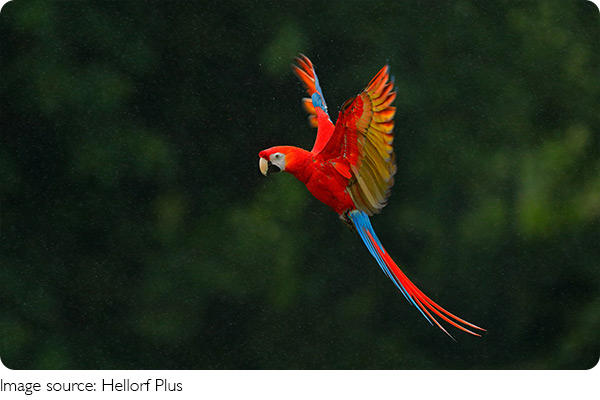
1. Scarlet Macaw: A primary spectacle of red, blue, and yellow feathers. Native to South American rainforests, this parrot is as intelligent as it is vivid, often mimicking human vocalizations.
2. Rainbow Lorikeet: This Australian resident lives up to its designation with a kaleidoscope of blue, green, and fiery orange. They are highly social units that bring a burst of color to the canopy.
3. Gouldian Finch: Known as the Rainbow Finch, this small specimen from northern Australia features vibrant blocks of red, yellow, and green. They face significant environmental pressure due to habitat loss.
4. Keel-billed Toucan: Iconic for its oversized, multi-colored bill, this bird navigates the lush forests of Central and South America with a blend of green, blue, and yellow hardware.
5. Atlantic Puffin: Often called the "clown of the sea," its vibrant beak intensifies during the breeding season, contrasting against its sleek black and white body.
6. Mandarin Duck: Celebrated for its ornate and elaborate plumage, this waterfowl features iridescent purples, oranges, and greens that create a visually captivating profile.
7. Painted Bunting: A North American songbird with an extraordinary palette. Males exhibit a stunning array of blue, green, and red, while females maintain a more subdued green tone.
8. Blue-and-yellow Macaw: A dazzling specimen with electric blue upper parts and vivid yellow undersides, creating a high-contrast visual that is hard to miss in the rainforest.
9. Eclectus Parrot: Famous for extreme gender-based dimorphism. Males flaunt emerald green plumage, while females display stunning reds and purples, making them structurally distinct.
10. Lilac-breasted Roller: A sub-Saharan African bird named for its lilac throat. Its palette includes shades of turquoise and blue, often seen during its high-velocity aerial acrobatics.
Diversity and Adaptation Protocols
The specific colors seen in these birds are often tied to their dietary intake and habitat requirements. For example, many red and yellow pigments are derived from carotenoids found in the fruits and insects they consume.
Structural coloration—found in species like the Mandarin Duck—is achieved through the microscopic physical structure of the feathers, which scatters light to produce iridescent blues and greens. These adaptations are essential for attracting mates and establishing territory within high-density forest environments.
Conservation of Feathered Gems
Despite their beauty, many of these species face significant challenges. Habitat degradation and illegal interference threaten the survival of specialists like the Gouldian Finch. Protecting these birds requires a rigorous commitment to preserving the rainforests, woodlands, and coastal cliffs they call home.
By supporting conservation initiatives and responsible eco-tourism, we can ensure that these vibrant specimens continue to populate our global ecosystems. Their presence is a vital indicator of environmental health and a source of inspiration for researchers auditing the complexities of biological color.
The Impact of Avian Artistry
The allure of these birds extends beyond scientific circles; they have captured the human imagination for centuries. They inspire everything from high-spec photography to sustainable architectural designs based on their feather structures. The fascination with these "feathered gems" underscores the importance of biological diversity in enriching our own human experience and understanding of the natural world.
Reflections on Nature's Palette
The journey through this list of colorful birds is a testament to the boundless creativity of evolution. Each species, with its unique hue and structural design, reminds us of the intricate web of life that connects us all.
As you observe the birds in your own environment, do you notice the subtle colors that often go overlooked? Does knowing the science behind their vibrant plumage change how you perceive these "flying jewels"? Nature's artistry is a legacy that we must actively preserve. We are the auditors of their future, and it is our responsibility to ensure that these colors never fade from our skies. Are you ready to advocate for the protection of these magnificent avian specimens? Which of these birds has the most impressive color protocol in your opinion?