Wild to Companion

Amit Sharma
| 20-04-2026
 · Animal Team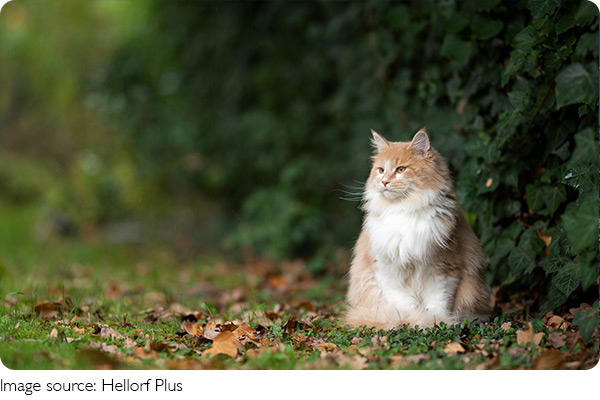
Have you ever looked into the eyes of your dog or cat and wondered how a fierce predator transformed into a sleeping lump on your sofa?
The journey from the untamed wilderness to our living rooms is one of the most successful biological experiments in the history of our planet.
This isn't just a story about taming beasts; it is a high-stakes chronicle of mutual transformation.
Early humans didn't just find pets; they engineered a new way of living through a symbiotic bond that redefined survival. Are you ready to audit the deep-rooted history of how we turned wild specimens into our most loyal allies?
Early Beginnings: The Dawn of Domestication
The initial phase of the domestication cycle began with a strategic observation: certain wild animals offered more than just calories. They offered defensive utility, hunting assistance, and early warning systems.
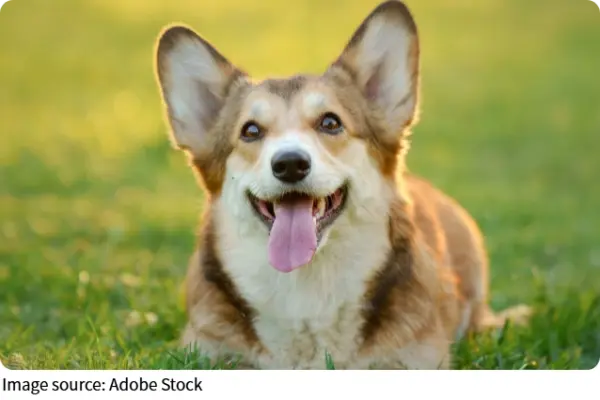
The history of domesticated dogs serves as the primary case study for this transition. Wolves, attracted to the nutrient-rich refuse around human camps, began a thousands-year-long process of self-selection. Those with lower aggression levels survived closer to humans, eventually leading to a full-scale evolutionary shift. This wasn't a sudden event but a gradual calibration of temperament and natural selection where humans favored docility over raw ferocity.
The Process of Domestication: From Wild to Tame
Once the benefits of animal integration became clear, humans moved from passive observation to active selective breeding. This phase of the SOP involved isolating individuals with specific desirable traits and ensuring their genetic material dominated future generations.
The Primary Drivers of Selection
1. Temperament Control: Selecting for reduced "flight or fight" responses.
2. Physical Utility: Breeding for specific sizes, strengths, or sensory capabilities.
3. Social Connectivity: Favoring animals that could interpret human gestures and emotional states.
This intentional interference led to species that were no longer just "tame" but were biologically dependent on the human infrastructure. Cats, for instance, transitioned from solitary desert hunters to communal residents, trading their independence for a stable food supply and safety from larger predators.
Environment, Culture, and the Shaping of Species
The Agricultural Revolution acted as a massive catalyst for domestic expansion. As nomadic groups established settled communities, the demand for reliable biological resources shifted. Sheep, and goats were integrated into the human system, providing a steady flow of raw materials like milk and wool.
Beyond their economic value, these animals gained deep cultural and symbolic status. They moved from being mere livestock to being revered icons in art and mythology. In many ancient civilizations, the cat was seen as a divine protector of grain, while the dog became the universal symbol of loyalty and protection. The history of these animals is fundamentally a history of human cultural expansion.
How Domestication Changed Behavior and Anatomy
The environmental shift from the wild to a human-controlled setting triggered significant anatomical and behavioral drift. In the wild, a specimen must maintain a high state of alertness to avoid becoming a casualty. Domestication removes this pressure, leading to "domestication syndrome"—a set of traits including floppier ears, shorter snouts, and reduced brain size in areas associated with fear.
Key Behavioral and Structural Shifts
• Reduced Reactivity: Domesticated specimens have a higher threshold for stress and are less likely to flee.
• Interpretation of Human Cues: Dogs, specifically, have evolved expression-related muscles to mimic human expressions and communicate needs.
• Neoteny: The retention of juvenile traits into maturity, making the animals look more "pet-like" and less intimidating.
The Impact of Domestication on Human Society
Human civilization as we know it would not exist without this biological partnership. From the early days of hunting assistance to the large-scale logistics of agriculture, animals have been the "engines" of our progress. They facilitated the growth of settled communities by protecting food stores and providing the labor necessary for expansive farming.
In the modern era, the contribution has shifted toward psychological support. The emotional bond shared with pets today is the legacy of millennia of co-evolution. These animals have moved from the periphery of our camps to the center of our homes, acting as critical components of our emotional well-being and social fabric.
Modern Perspectives and Future Trends
Today, we utilize advanced genomic auditing to understand the exact markers that define a domesticated species. Scientists are no longer just guessing; they are identifying the specific DNA sequences that encode for tameness and sociability.
Looking ahead, the next phase of domestication may involve even more precise genetic calibration. From personalized companions to species adapted for high-density urban environments, the potential for further transformation is massive. However, as we push these biological boundaries, we must maintain a rigorous ethical framework to ensure the welfare of the specimens we have shaped over ten thousand years.
Reflections on the Human-Animal Circuit
The story of domestication is a mirror of our own history. We didn't just change them; they changed us. We became more settled, more empathetic, and more successful as a species because we learned to work with the wild instead of just fighting it.
As you look at the companions in your own life, do you see the thousands of years of history hidden in their behavior? Does knowing that your "pet" was once a wild beast change your perspective on the power of human influence? The bond we share is a precious biological heritage—a reminder that the most powerful force in nature is not ferocity, but cooperation. Are you ready to continue this ancient journey of mutual evolution?