Rose Pruning

Ethan Sullivan
| 25-04-2026
 · Plant Team
A rose bush that has been properly pruned looks almost refreshed—lighter, more open, and ready to bloom again with stronger energy.
Without pruning, it can become dense and uneven, with fewer flowers over time. The process is not about cutting randomly, but about guiding growth with intention and precision.
Why Pruning Matters
Pruning is essential for maintaining both the structure and productivity of rose plants. It helps redirect energy from old or weak stems to healthier ones, encouraging new growth and better flowering.
Regular pruning improves:
• Air circulation within the plant
• Flower size and quality
• Resistance to common plant stress factors
• Overall shape and balance
Without it, rose bushes can become overcrowded, limiting light exposure and reducing bloom potential.
Best Time for Pruning
Timing plays a major role in successful pruning. Roses respond best when cut during their natural growth cycle.
Ideal conditions include:
• After major flowering cycles
• During dormant or slow-growth phases
• When new buds have not yet fully developed
Avoid heavy cutting during peak blooming periods, as this can reduce flower production.
Essential Tools Preparation
Using the right tools ensures clean cuts and reduces damage to the plant. Sharp, clean tools prevent tearing and support faster recovery.
Recommended tools:
• Sharp pruning shears
• Gardening gloves for protection
• Clean cloth for wiping blades
• Disinfectant for tool maintenance
Clean tools also reduce the risk of transferring plant issues between branches.
Basic Pruning Technique
The core principle of rose pruning is selective cutting. Each cut should have a purpose, whether it's removing dead material or shaping growth.
1. Remove dead or weak stems
Cut back any branches that are dry, discolored, or no longer producing growth.
2. Trim crossing branches
Remove stems that rub against each other to prevent damage.
3. Shape the plant
Encourage an open center to improve airflow and light access.
4. Cut above outward-facing buds
This helps guide new growth outward rather than inward.
Each cut should be made at a slight angle to allow water to run off easily.
Encouraging New Growth
Pruning is not only about removal—it also stimulates fresh development. When older stems are cut back, the plant responds by producing new shoots.
Key growth responses include:
• Stronger stem formation
• Increased bud production
• More balanced plant structure
This cycle ensures continuous renewal and healthier flowering over time.
Common Mistakes to Avoid
Incorrect pruning can weaken roses or reduce flowering. Being mindful of technique helps maintain plant strength.
1. Cutting too much at once
Over-pruning can stress the plant and slow recovery.
2. Leaving jagged cuts
Rough cuts increase the risk of damage and slow healing.
3. Ignoring plant shape
Random trimming can lead to uneven growth patterns.
4. Pruning without observation
Each plant has unique growth behavior that should guide cutting decisions.
Aftercare Following Pruning
Once pruning is complete, roses need supportive care to recover and grow new shoots effectively.
Important steps include:
• Watering evenly to support regrowth
• Applying light nutrients to encourage development
• Monitoring new shoots for healthy progress
• Keeping surrounding soil clean and loose
Avoid disturbing the plant too frequently during early recovery stages.
Seasonal Adjustment in Pruning
Rose pruning is not a one-time action but a seasonal practice. The intensity and style of pruning may change depending on growth conditions.
1. Light pruning
Used during active growth periods to maintain shape.
2. Moderate pruning
Applied after flowering cycles to encourage regrowth.
3. Structural pruning
Performed during slower growth periods to reshape the plant.
Adjusting technique based on plant response helps maintain long-term health and bloom consistency.
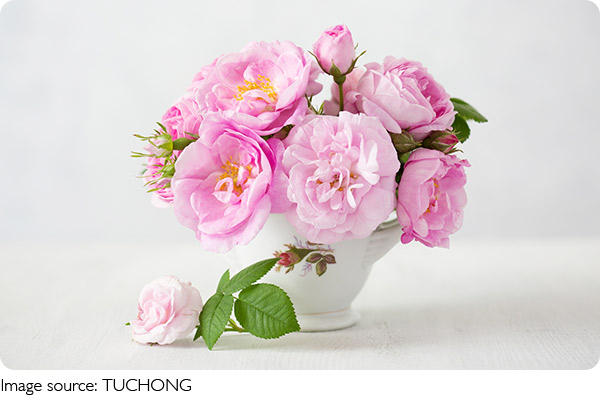
Rose pruning is a careful balance between removal and renewal. With each thoughtful cut, the plant is guided toward stronger structure and more vibrant flowering. Over time, this simple practice transforms a tangled bush into a well-shaped, productive plant that continues to bloom with energy and rhythm.