Small Space, Big Feel

Santosh Jha
| 12-08-2026
 · Lifestyle Team
Hi, Readers! A small home can feel like a crowded suitcase if the colors are heavy and the furniture is fighting for elbow room.
The good news is that soft furnishing choices can work like stage magic. With the right palette, shapes, and layout, a compact space can look brighter, airier, and a lot less cramped.
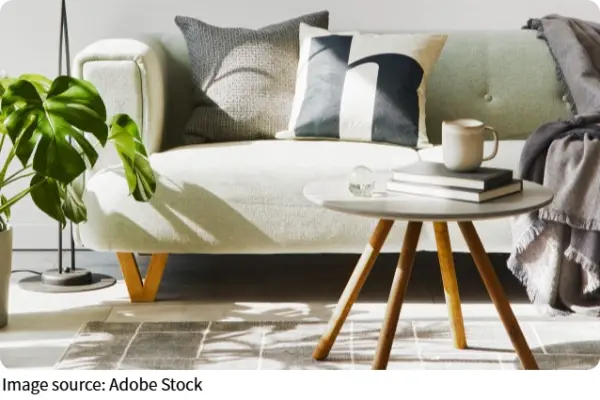
The trick is not to cram in more stuff, but to make every piece pull its weight while keeping the room easy on the eyes.
One of the simplest ways to visually open up a small space is through color. Light tones help walls seem to recede, which makes the room feel less boxed in. Soft white, warm beige, pale gray, and muted pastel shades all bounce light around the room like a cheerful mirror that does not need cleaning every five minutes. Keeping the walls, ceiling, and larger furnishings in a similar light color family also reduces visual breaks. When your eyes are not stopping at every sharp contrast, the room feels smoother and larger.
That said, a small home does not need to look like a bland bowl of oatmeal. You can still bring in personality through accents. Cushions, rugs, curtains, and artwork can carry a little color, but keep the main backdrop calm. A few well-placed touches in deep blue, sage green, terracotta, or soft black can give the room character without making it feel crowded. Think of it like seasoning soup. A pinch wakes everything up, but too much takes over the whole bowl.
Choose furniture with breathing room
Furniture selection is where many small homes go from cozy to chaotic. Bulky pieces that sit heavily on the floor can make a room feel packed before anyone even walks in. Choosing furniture with visible legs helps create a sense of openness because you can see more floor area underneath. That little peek of floor works like visual breathing room. Slim-framed chairs, compact sofas, and open-side tables are usually better choices than oversized, blocky pieces.
It also helps to scale furniture to the room instead of buying by habit. A massive sofa in a tiny living room is like wearing winter boots to the beach. Technically possible, but not a great idea. Look for pieces that fit the proportions of the space. A loveseat may work better than a full sectional. A round coffee table can improve flow better than a sharp rectangular one in a tight layout. Nesting tables and folding pieces are also useful because they give flexibility without permanently taking over the floor.
Let function and storage work together
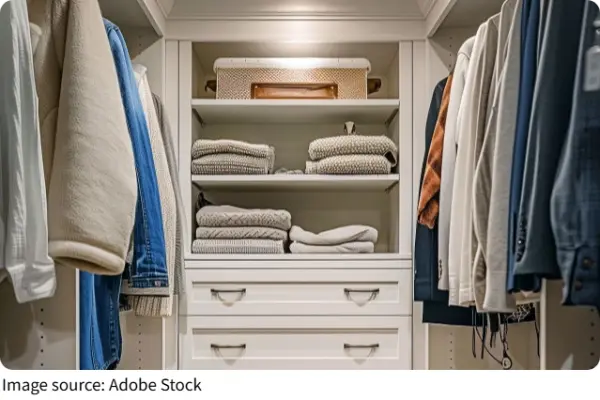
Small homes need furniture that does more than just sit there looking pretty. Storage ottomans, benches with hidden compartments, side tables with shelves, and beds with drawers can reduce clutter, which is a huge part of making a home feel bigger. Even the best color plan cannot save a room that is overflowing with stray items. Visual calm matters. The fewer loose things you see, the more spacious the room appears.
Vertical space also deserves attention. Tall shelving, wall-mounted storage, and full-height curtains can draw the eye upward, making ceilings seem higher. Curtains hung closer to the ceiling rather than right above the window frame can stretch the room visually. The same goes for mirrors. A well-placed mirror reflects light and gives depth, almost like opening a second window without calling a contractor.
Keep the layout light and easy
How furniture is arranged matters just as much as what furniture you buy. Pushing every piece hard against the wall does not always make a room feel larger. Sometimes floating a sofa slightly away from the wall or leaving a bit of space around key items creates better balance. Clear walkways are essential. If you need to twist and sidestep around furniture like you are in a living room obstacle course, the space will feel tighter than it is.
Try to keep sightlines open. Low-profile furniture can help windows stay visible and allow more natural light to travel through the room. Glass or acrylic-style tables can also reduce visual heaviness because they do their job without shouting about it. In a small room, that quiet confidence goes a long way.
In the end, making a small home feel bigger through soft furnishing is really about editing with care. Use light, cohesive colors, choose furniture that fits the room instead of overwhelming it, and bring in storage that quietly handles the mess. When every piece has a purpose and the room has space to breathe, even a compact home can feel welcoming, stylish, and surprisingly roomy.