Truth About Cats & Water

Nora
| 10-09-2026
 · Animal Team
For some cats, running water is irresistible. They may reach into a sink, watch drops fall from a faucet, or even step into a shallow tub without hesitation. Other cats react very differently, backing away the moment water appears.
So, why can cats have such opposite reactions to the same thing? The answer involves a combination of early experiences, individual personality, sensory preferences, and familiarity.

Every Cat Has Its Own Personality
One of the simplest explanations is that cats are individuals. Some are naturally bold and curious, while others prefer familiar surroundings and approach unfamiliar experiences carefully. A confident cat may investigate a dripping faucet simply because movement catches its attention. Another cat may see the same water and decide that staying several steps away is the better option.
This difference does not necessarily mean one cat likes water more because of a particular breed or characteristic. Individual personality can have a major influence on how a cat responds to new experiences.
Early Experiences Can Shape Reactions
A cat's experiences during kittenhood can influence how comfortable it becomes with water later in life. A kitten that encounters water gently and positively may become less concerned about it. For example, supervised exposure to a small amount of water can make the sensation feel familiar. If the experience is calm and comfortable, the kitten may have little reason to fear similar situations in the future.
On the other hand, an unpleasant or startling experience involving water may create a stronger negative association. Cats can remember experiences that make them feel uncomfortable, so they may become cautious when faced with something similar again.
Wet Fur Can Feel Strange
Another reason some cats avoid water is the sensation of wet fur. A cat's coat can feel noticeably different after becoming wet, and the added moisture may affect how the coat moves and feels against the body. Cats are known for spending considerable time grooming themselves. Their coats are an important part of how they interact with their surroundings, so a sudden change in texture can be distracting or uncomfortable.
Running Water Can Be Fascinating
Interestingly, some cats that dislike being wet still enjoy playing with water. A faucet dripping into a sink can become an entertaining source of movement and sound. Moving water may attract a cat's attention because it behaves differently from most household objects. Drops fall, ripples spread, and reflections change as the surface moves.
Breed Can Play a Role, Too
Breed can sometimes influence a cat's relationship with water, although it should not be treated as a guarantee. Certain cat breeds are known for showing greater interest in water than others. However, individual behavior still matters. Two cats from the same breed can have completely different reactions. One may happily investigate a shallow container, while another may avoid even a few drops.
Should a Cat Be Encouraged to Like Water?
There is usually no need to force a cat to enjoy water. If a healthy cat prefers to stay dry, respecting that preference can help keep everyday experiences calm. If water exposure is necessary, such as during grooming or cleaning, it is best to introduce it gently and avoid creating unnecessary stress. A calm environment, gradual handling, and patience can make the experience easier.
Cats can have surprisingly different relationships with water. Curiosity, personality, early experiences, coat sensation, and individual preferences can all influence whether a cat investigates every drip or avoids water altogether.
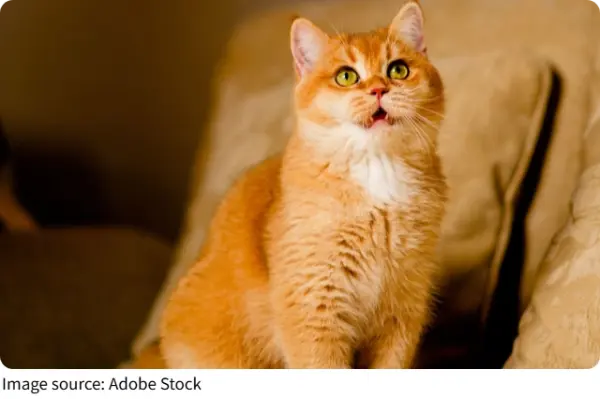
The most important thing is to understand the cat in front of you. A water-loving cat may find a dripping faucet endlessly entertaining, while a water-avoiding companion may be perfectly content watching from a safe, dry spot. Both reactions can be normal parts of feline individuality.