Flowers' Secret Signals
Ravish Kumar
| 19-09-2026
 · Plant Team
Hi, Readers! Step into a garden for a moment, and it becomes easy to notice that flowers are not simply sitting quietly.
They are sending out signals. Plants that depend on bees and butterflies for pollination use color, scent, shape, and food rewards to guide these visitors from one bloom to the next.
This relationship is wonderfully practical. As insects search for nectar and pollen, they brush against the flower's reproductive parts and move pollen between flowers, helping plants produce seeds.
Bright colors matter
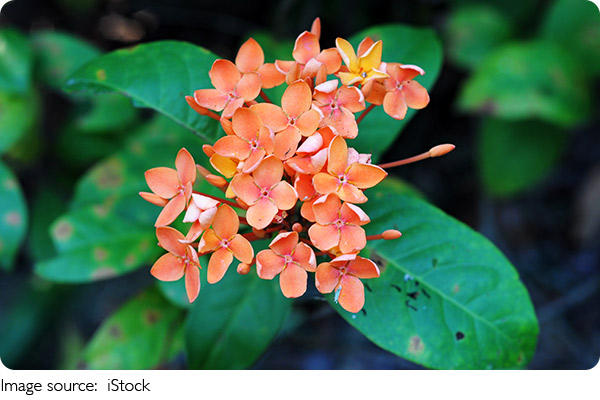
Many flowers that attract bees and butterflies use noticeable colors to stand out from the green background of leaves and stems. Bees are especially drawn to blue, purple, violet, white, and yellow flowers. Butterflies also respond strongly to bright colors, especially red, yellow, orange, pink, and purple. These shades act like visual invitations, helping insects quickly locate a flower from a distance. Some flowers also have special markings called nectar guides, patterns that lead pollinators toward the nectar source and increase the chance that pollen will be picked up and transferred.
Scent helps guide the way
Fragrance is another important signal, especially when pollinators are choosing among many blooms. Sweet smells can attract bees and butterflies by suggesting a nectar reward is nearby. Scent can be especially useful when flowers grow in dense groups or when visual cues alone are not enough. Plants do not all smell the same, of course. Different species produce distinct fragrance blends, which can help attract the right pollinators and facilitate more efficient pollen transfer between flowers of the same species.
Flower shape fits the visitor
The form of a flower also plays a huge part in pollination. Bees often visit flowers with landing platforms or clustered blossoms that make it easier to move around while collecting nectar and pollen. Butterflies usually prefer flowers with broad surfaces for perching and tubes deep enough for their long feeding parts to reach nectar. This fit between flower structure and pollinator body shape is important. When the insect reaches for nectar, its body touches the pollen-producing stamens and the pollen-receiving stigma, allowing pollination to occur almost naturally.
Nectar and pollen are rewards
Plants attract pollinators by offering food. Nectar provides a rich energy source, while pollen supplies protein and other nutrients for many bee species. By producing these rewards, flowers encourage repeated visits. The more often bees and butterflies return, the better the plant's chances of successful pollination. At the same time, the insects benefit by gaining nourishment. It is a close partnership in which both sides gain something essential.
Timing and placement help too
Plants also improve their chances by opening flowers when pollinators are active and by placing blooms where they can be easily found. Some grow flowers high above the leaves, while others cluster many blossoms together to create a larger visual target. A group of flowers can be more appealing than a single small bloom because it offers more nectar in one stop, making the visit worthwhile for an insect moving through the landscape.
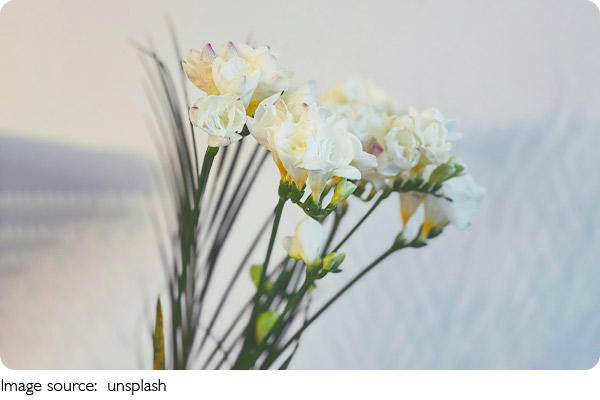
In the end, the way plants attract bees and butterflies is both simple and beautifully refined. Through color, scent, shape, and food rewards, flowers guide pollinators exactly where they need them. Next time you pass a blooming garden, take a closer look. You may notice that every petal, pattern, and fragrance is part of a quiet conversation between plants and the insects that help them thrive.