Why Planes Bump in Rough Air

Darius
| 29-09-2026
 · Science Team
Hi, let's get started. You're at 35,000 feet, seatbelt sign dings on, and suddenly the cabin drops a few inches.
Your coffee tilts. Someone gasps. But the plane isn't falling, and the pilots aren't fighting for their lives. What's actually happening is far more ordinary than it feels.
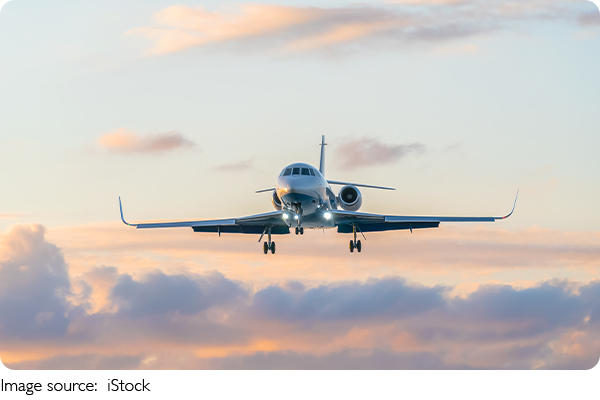
Air is a moving fluid
You probably think of the sky as empty space. Instead, it's more like a river with invisible currents, eddies, and sudden shifts in speed. Turbulence happens when your plane flies through air that's moving at a different speed or direction than the air right next to it. Those two air masses don't blend smoothly. They collide, and the plane rides the collision. That's why a smooth flight can turn bumpy in seconds with no warning on the horizon.
The four main causes
Most bumps trace back to one of four things. Convective turbulence comes from warm air rising near thunderstorms, and it can shake a plane even when the storm is 20 miles off your wing. Clear air turbulence forms near jet streams, where winds at different altitudes slide past each other at speeds that can differ by 100 mph or more. Mountain wave turbulence happens when wind hits a ridge and gets pushed upward, sometimes rippling 100 miles downwind. And wake turbulence trails behind other aircraft, strongest behind heavy jets like a Boeing 777 on approach.
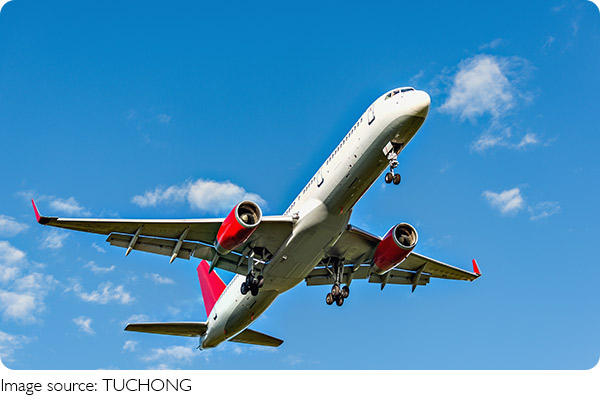
Why you feel every jolt
The plane itself is built for this. Wings on a modern airliner flex several feet at the tip during normal flight, and the structure is tested to loads far beyond what any passenger flight encounters. What you feel in your seat is the aircraft responding to a momentary change in the air's vertical speed, sometimes just a few feet per second. That's enough to lift you out of your seat for a beat. The plane isn't struggling. It's doing exactly what it was designed to do.
What pilots actually do
Pilots don't just hold on and hope. They file routes around known turbulence, request altitude changes when reports come in, and use weather radar plus PIREPs, which are pilot reports from aircraft ahead of them, to pick smoother air. On a typical transatlantic crossing, a crew might request three or four altitude changes just to avoid rough patches. If turbulence is severe enough, they slow to turbulence entry speed, which gives the airframe more margin. You'll rarely hear about it over the intercom because it's routine.
Why the seatbelt sign matters
The real risk in turbulence isn't the plane breaking apart. It's you getting hurt because you weren't strapped in. Injuries in turbulence happen almost entirely to people who are standing, walking, or have their belts loose. A sudden jolt at cruise altitude can throw an unbelted passenger into the ceiling, and that's how broken bones and head injuries occur. When the sign comes on, it's not a suggestion. Fasten the belt over your lap, low and tight, and leave it there even after the ride smooths out.
Reading the signs outside
You can sometimes spot turbulence before it hits. A line of towering clouds ahead usually means convective bumps. A sharp, thin cloud layer called cirrus near a jet stream often signals clear air turbulence, though it's not always visible. If the sky looks flat and hazy with no clouds at all, you might still get a jolt, because clear air turbulence gives no visual cue. The seatbelt sign is still your best signal.
Turbulence feels dramatic from seat 23A, but it's just air doing what air does, and the plane handles it the way it was built to. Next time the cabin shakes, tighten your belt, take a breath, and remember that the ride is rough, not the aircraft. You'll land on time either way.